











.jpg?#)
















From Service to Space Systems: A Pathways Journey to NASA
For Corey Elmore, the path to NASA’s Kennedy Space Center did not begin in engineering. It began in service. Today he serves as a NASA Pathways engineering intern in the Technical Processes and Tools Branch (KSC-NE-TA) at Kennedy Space Center. Through the Pathways program, he is gaining hands-on experience supporting the engineering environments, technical tools […]

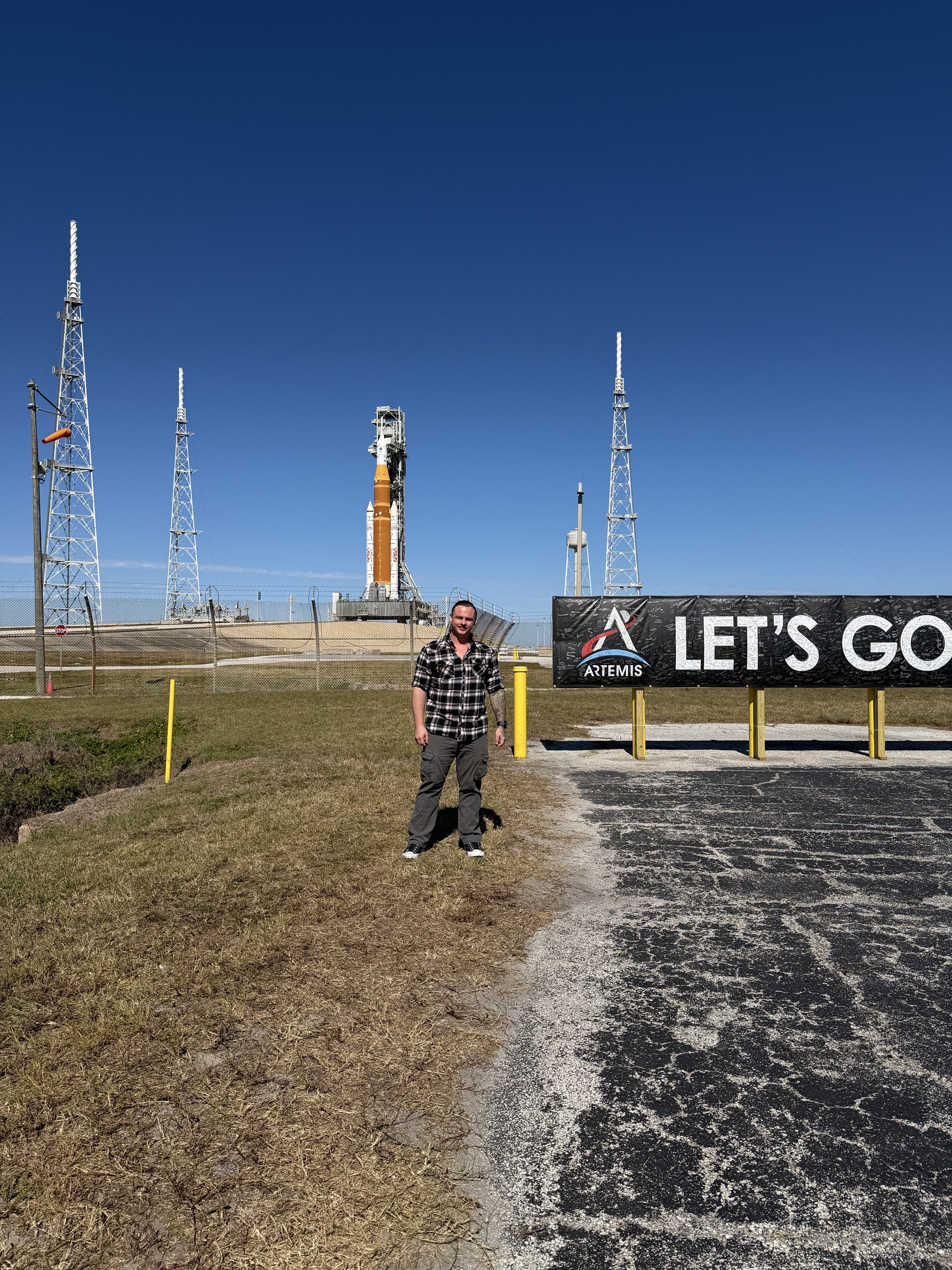
For Corey Elmore, the path to NASA’s Kennedy Space Center did not begin in engineering. It began in service.
Today he serves as a NASA Pathways engineering intern in the Technical Processes and Tools Branch (KSC-NE-TA) at Kennedy Space Center. Through the Pathways program, he is gaining hands-on experience supporting the engineering environments, technical tools and processes that help NASA teams design, analyze, and operate complex mission systems.
Within the branch, his work explores how artificial intelligence, machine learning, and automation can enhance engineering workflows. As modern missions generate massive amounts of data across interconnected systems, these tools help engineers organize information, improve analysis, and make faster decisions.
By studying how intelligent systems can support engineers, he hopes to help teams focus more deeply on solving the technical challenges that enable exploration.
"What excites me most about being at NASA is the chance to work on problems that are bigger than any one person. In a place like this, even small improvements in how we think, build, or support engineers can ripple outward into missions that push exploration forward."
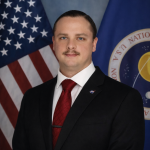
Corey Elmore
NASA Pathways Intern
The Pathways program provides students the opportunity to work alongside experienced engineers while contributing to real projects across NASA centers. At Kennedy Space Center, the experience offers a front-row view of how large-scale technical systems come together, from engineering processes and technical documentation to the collaborative teams responsible for supporting mission operations.
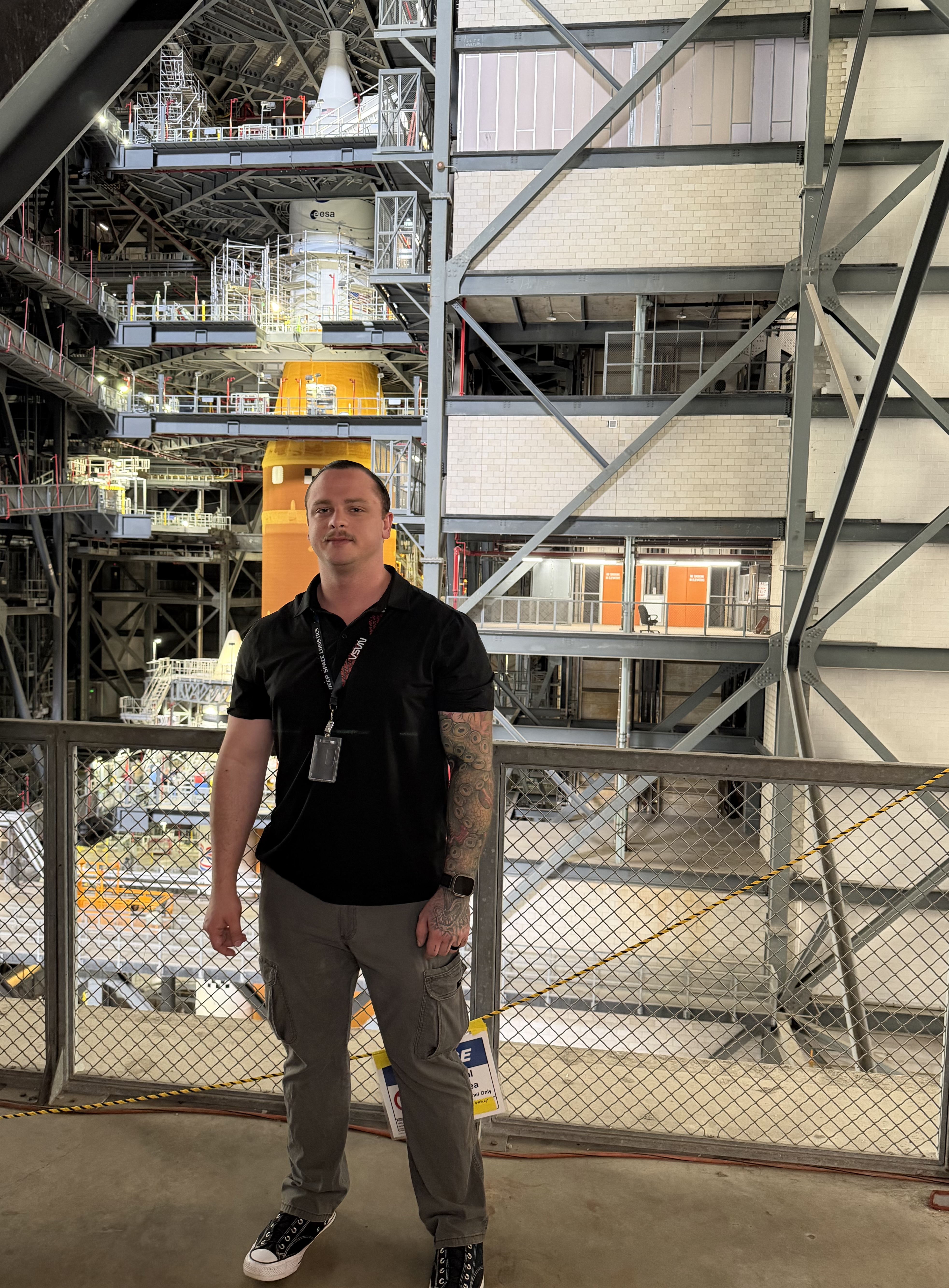
Mentorship and collaboration have been central to the experience. Working with engineers across multiple disciplines has reinforced the importance of systems thinking: understanding how people, processes, and technology interact within complex mission environments.
His path to NASA, however, did not begin in engineering. Before entering the STEM field, he served in the U.S. Navy as a hospital corpsman supporting Marine Corps and Navy units. During that time, he also served as an instructor working with Navy Seabees, helping train and mentor service members in mission-critical skills.
That role required breaking down complex information, leading under pressure, and ensuring others could perform effectively in demanding environments. These skills translate naturally into engineering problem solving.
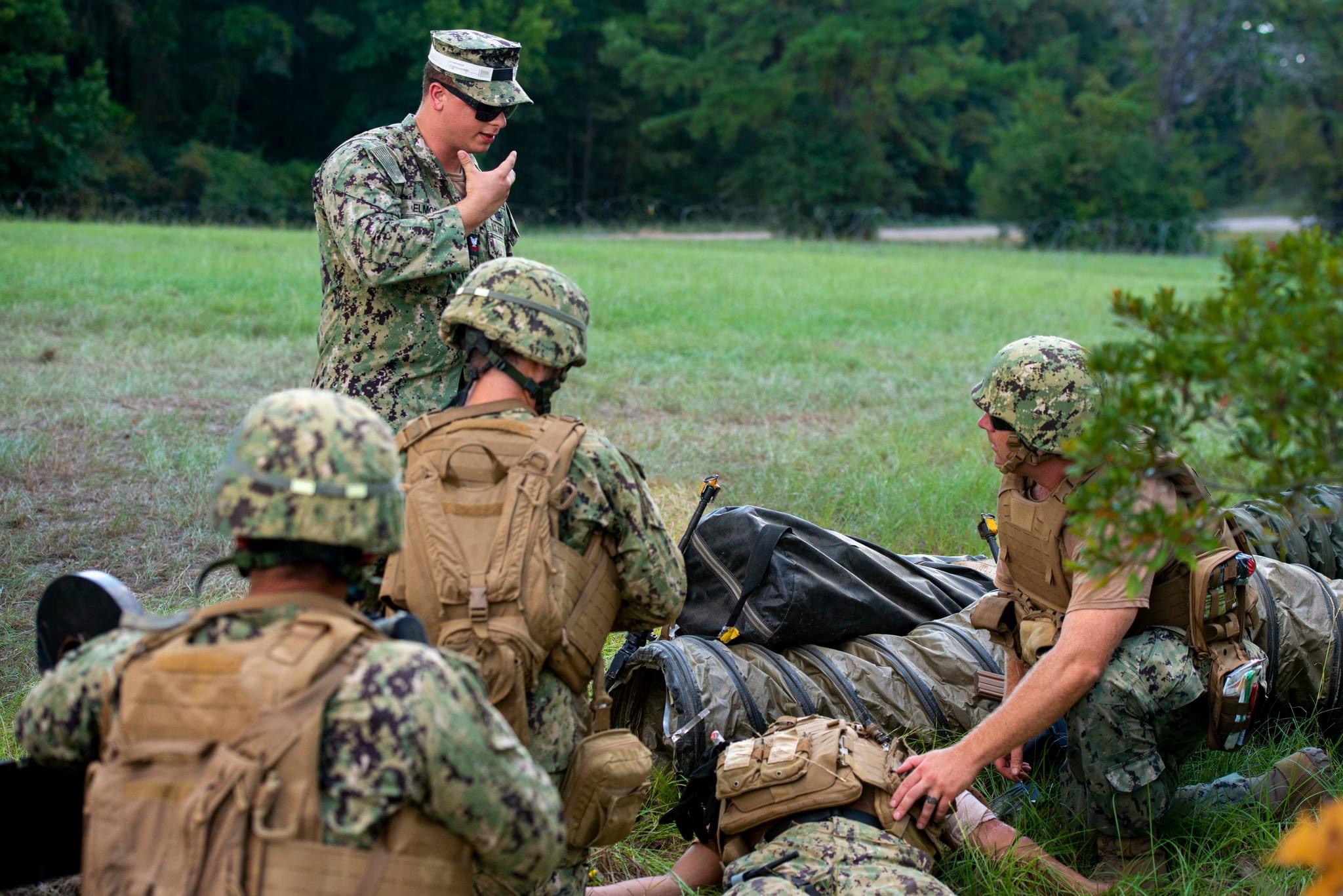
My transition from military service to NASA has shown me that purpose does not end when the uniform comes off. The setting changes, the tools change, but the deeper mission remains: Serving something larger than yourself.
Corey Elmore
NASA Pathways Intern
Following military service, the next chapter unfolded in the defense and shipbuilding industry, supporting naval maintenance and logistics systems connected to fleet readiness. Working in shipbuilding environments provided firsthand exposure to the scale and coordination required to sustain complex operational platforms.
Maintaining ships at sea and preparing spacecraft for launch share a common challenge. Both depend on integrating engineering disciplines, operational processes, and reliable technology into a cohesive system.
While building professional experience, he continued pursuing higher education. During his time in the Navy, he earned a bachelor’s degree in supply chain and operations management from Western Governors University. Today, he is continuing his studies while working at NASA, pursuing both bachelor’s and master’s degrees in computer science with a focus on artificial intelligence and machine learning.
Combining operational experience, systems thinking, and emerging technologies is helping shape a foundation aligned with the increasingly complex challenges of modern space exploration.
Equally meaningful has been the community at Kennedy Space Center. Through the Pathways program, interns work alongside experienced mentors and engineering teams across NASA, creating an environment where curiosity, learning, and collaboration drive growth.
For this Navy veteran, the opportunity represents more than a career milestone; it represents a continuation of service.
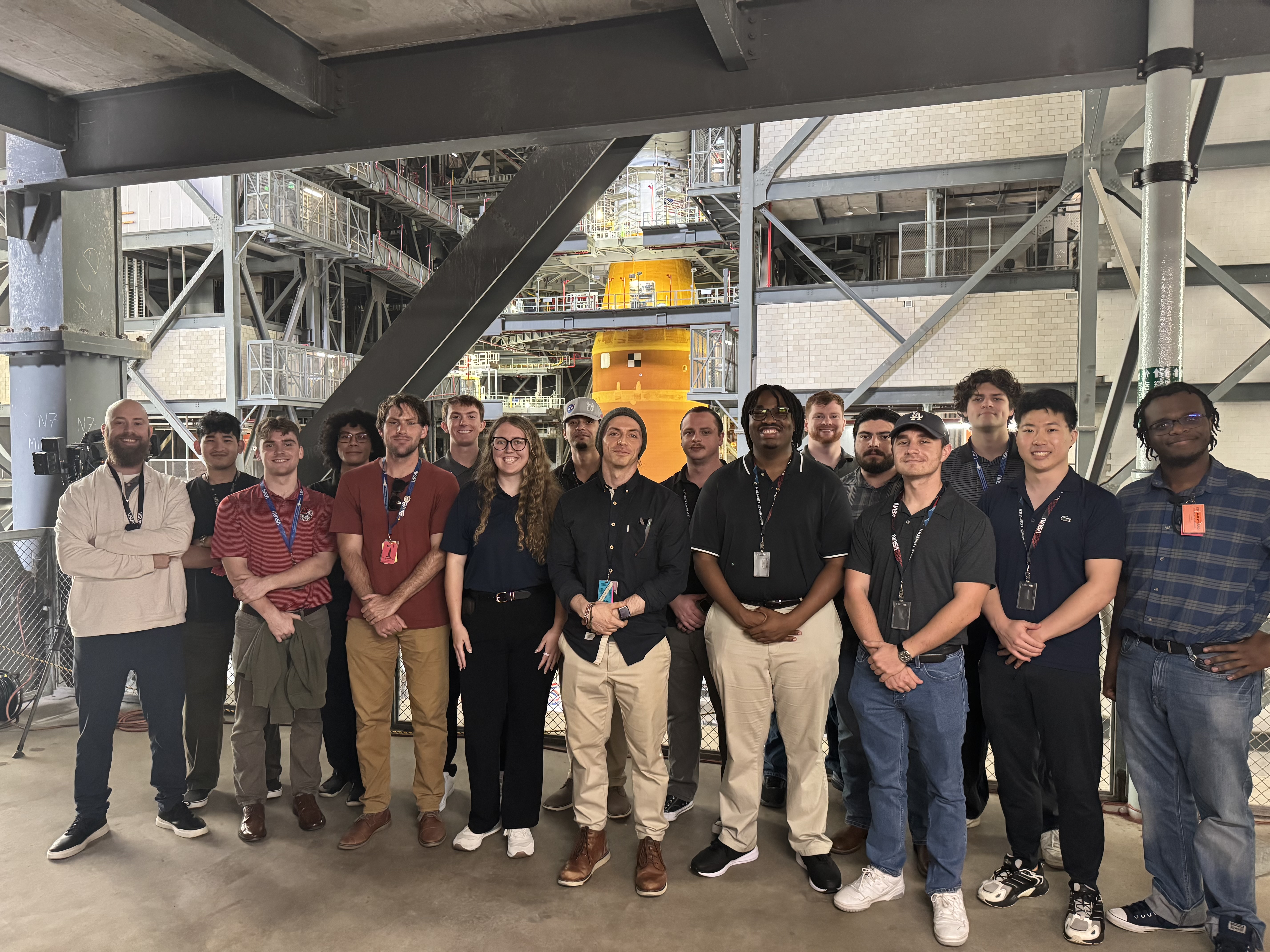
For those transitioning from military careers, the path into engineering and exploration may look different, but the mission often feels familiar. Programs like NASA Pathways provide veterans the chance to bring their discipline, leadership, and operational experience into fields that support the next generation of discovery.
As his journey at Kennedy Space Center continues, he remains focused on contributing to the systems and technologies that will help enable the future of human exploration.
For more information about the Pathways program, visit nasa.gov/careers/pathways.
What's Your Reaction?